For years, this chapter lived inside an 8-hour workshop — slides projected on a wall somewhere between Cape Town and Windhoek, a room full of hooks and needles, and me trying to explain, in the time I had, why the yarn in someone’s hands mattered as much as the pattern they’d chosen.
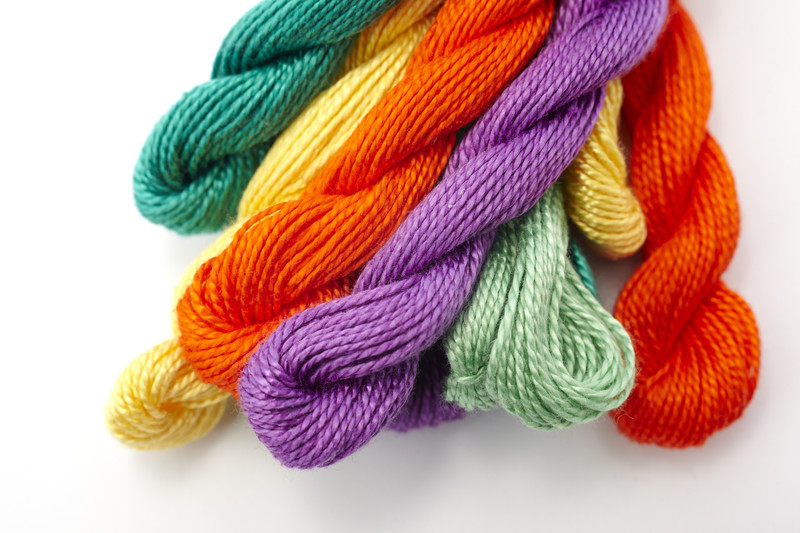
Most of us learned to call it all “wool.” The fluffy stuff, the shiny stuff, the stuff on sale at the till — wool, all of it, regardless of what’s actually in the skein. It’s an understandable habit. It’s also the reason so many beautiful patterns turn into disappointing projects: the drape wrong, the warmth wrong, the whole thing behaving nothing like the photo promised.
That workshop eventually became a manual, The Crochet Guide to Greatness, and its Fibre Facts chapter has quietly changed how a lot of people shop for yarn. So I’m pulling it out, expanding it, and giving it to you on Patreon — properly, one topic at a time, with room to add what I couldn’t fit into a slide.
What’s Coming
- Synthetic fibres — acrylic, polyester, nylon, and what’s actually happening chemically when you work with them
- Animal fibres — wool, alpaca, angora, cashmere, mohair, silk, and the micron counts that separate “soft” from “scratchy”
- Cellulose and cellulosic fibres — cotton, linen, bamboo, and the newer plant-based yarns turning up on shelves
- Strength and structure — how these fibres hold up over time, and why
- What to use where — matching fibre to project, properly, before you buy the yarn
There’s no test at the end of this. Just a better sense of what’s in your hands, and why it behaves the way it does.
Next up: Synthetic Fibres.
Please note: in order to access the rest of the series, you have to be a Patron of the ‘Living the Slow Life’ tier ($3 per month). Want to sign up?
— Hilda


This is great Hilda. I think there is such a need for this kind of education. I think it will be very well appreciated.