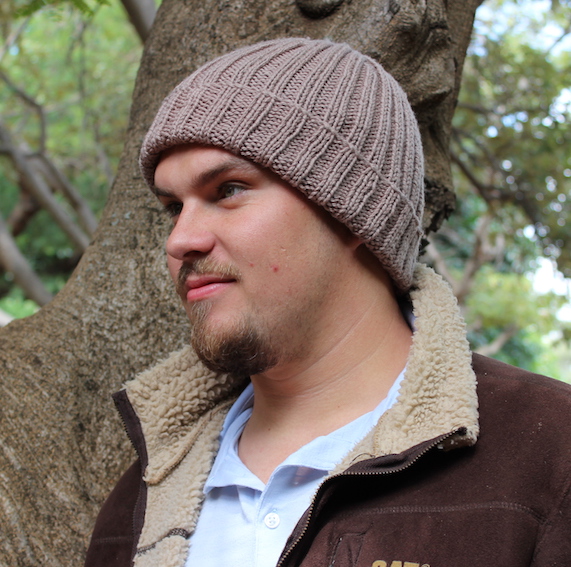
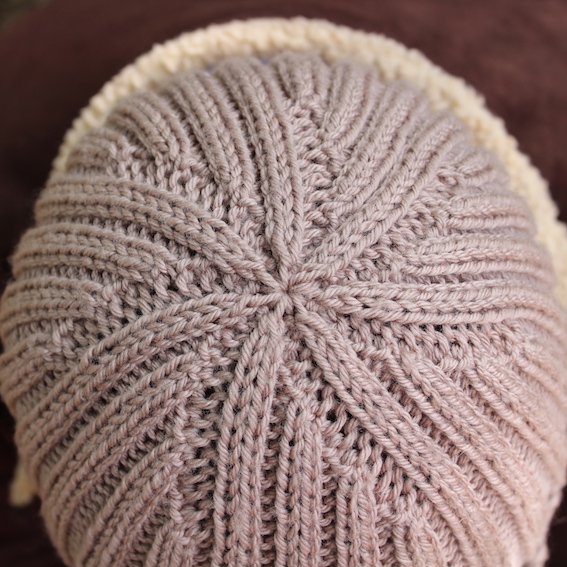
I have a knitting pattern called The Family Hat Collection. It covers every size from newborn to adult, in every yarn weight. One pattern, endless hats. My family has been making hats from it for years, and I suspect they will keep making them long after I am gone. Not because it is the most complicated pattern I have ever written, or the most trending, or the most photographed. Because it works. Every time, without fail, for every head it has ever been placed on.

That is the thing about family favourites. They are not always the flashiest patterns in your collection. They are the ones with the worn edges on the printed page, the ones you reach for without thinking, the ones that have already proven themselves across multiple generations of hands and hooks and needles.
Every crafter has them. The blanket stitch your grandmother used. The hat pattern your mother passed down. The dishcloth recipe that lives in your head because you have made it so many times you no longer need to look.
Today I want to talk about mine.
The Blanket
Every time a new grandchild is announced in our family, I do the same thing. I get yarn and a hook, and I start a blanket.
Not because I have to think about which pattern to use. Because I already know. I have known for years. The stitch pattern is memorised so completely that I do not even count my chains when I start. I chain until I have roughly the width I want, add a few extra for good measure, and work row one. If I end up with one or two chains too many, I unpick them. No drama.
By the end of the first row, my hands know what they are doing without any instruction from my brain. That is the kind of pattern I am talking about.
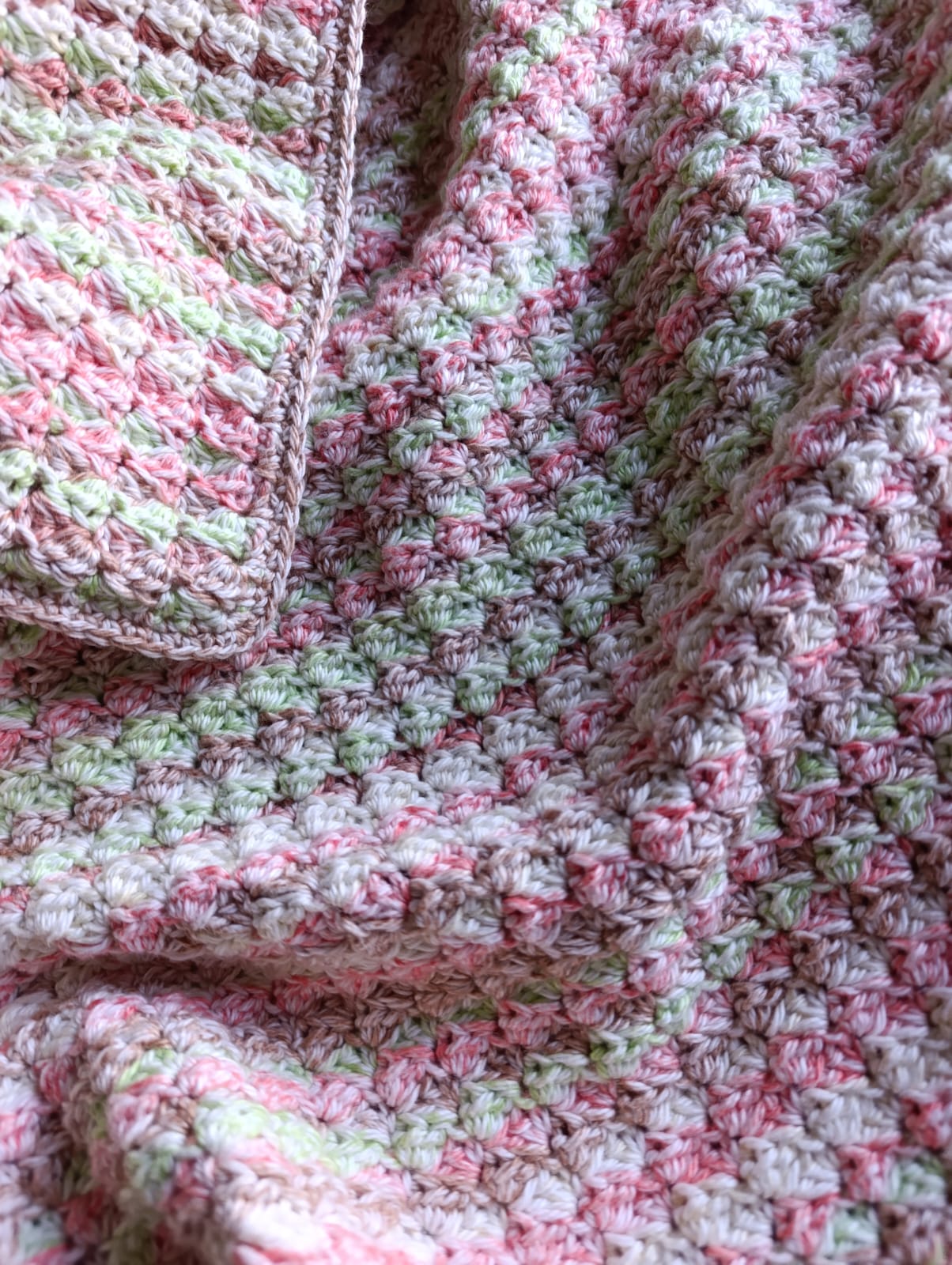
The stitch is called the Sedge Stitch, and it creates a beautifully dense fabric with a lovely raised texture. Single crochet, half double crochet, and double crochet all worked into the same stitch, skip two, repeat. One row repeat. Memorised in minutes, worked for hours, without ever once feeling boring.
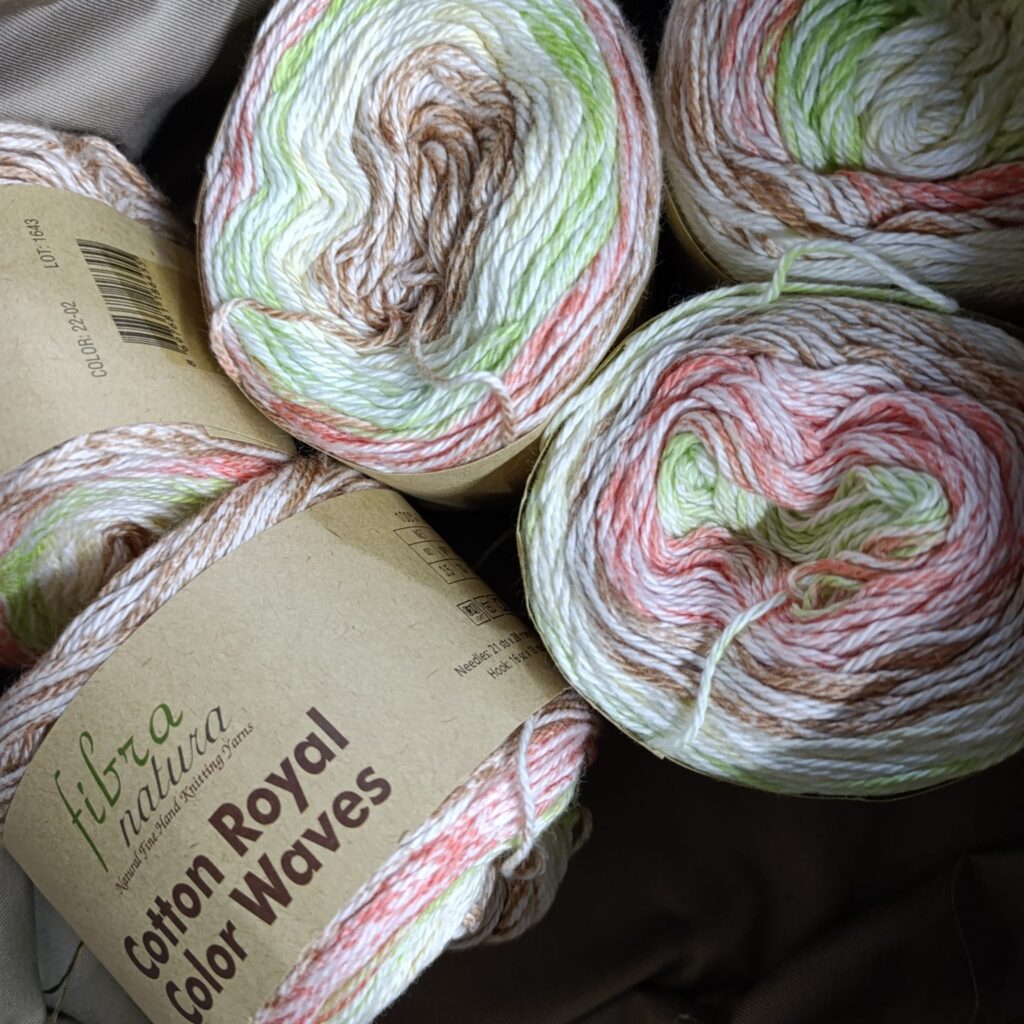
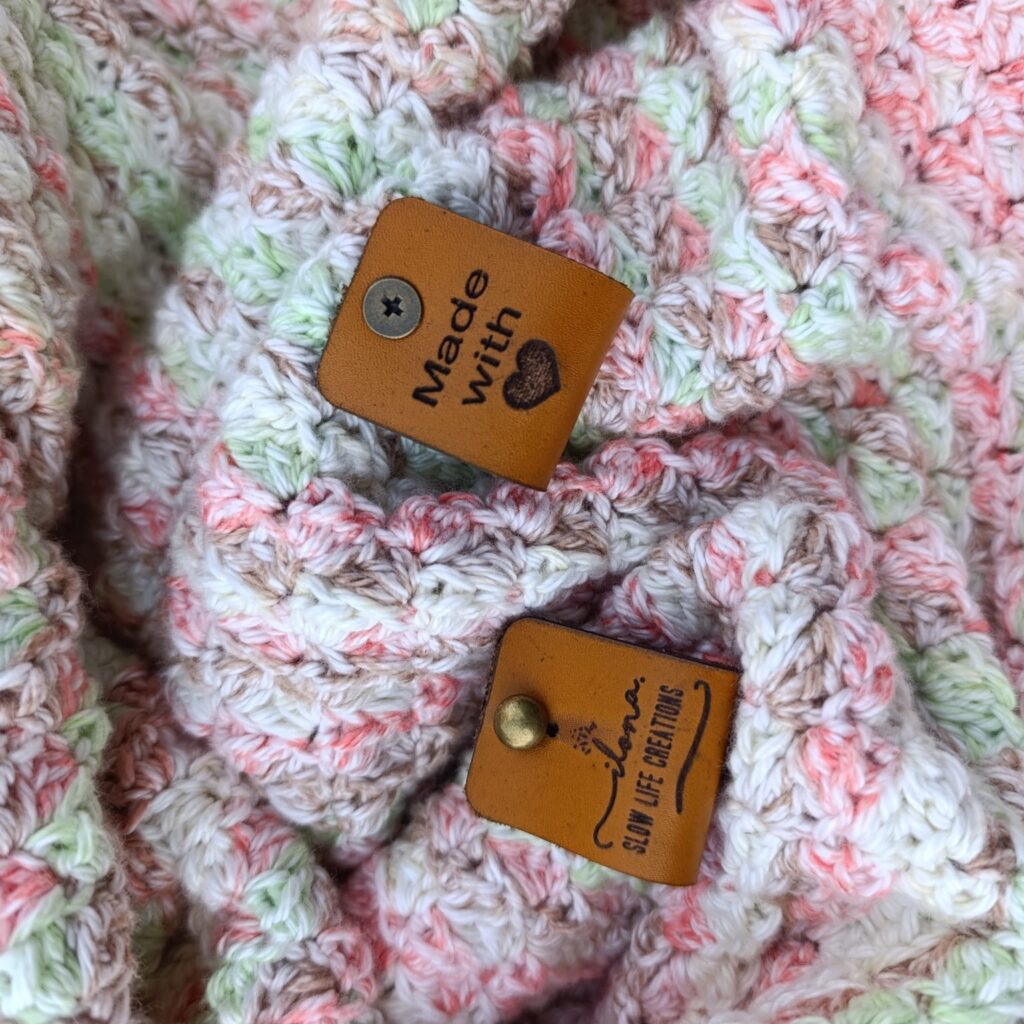
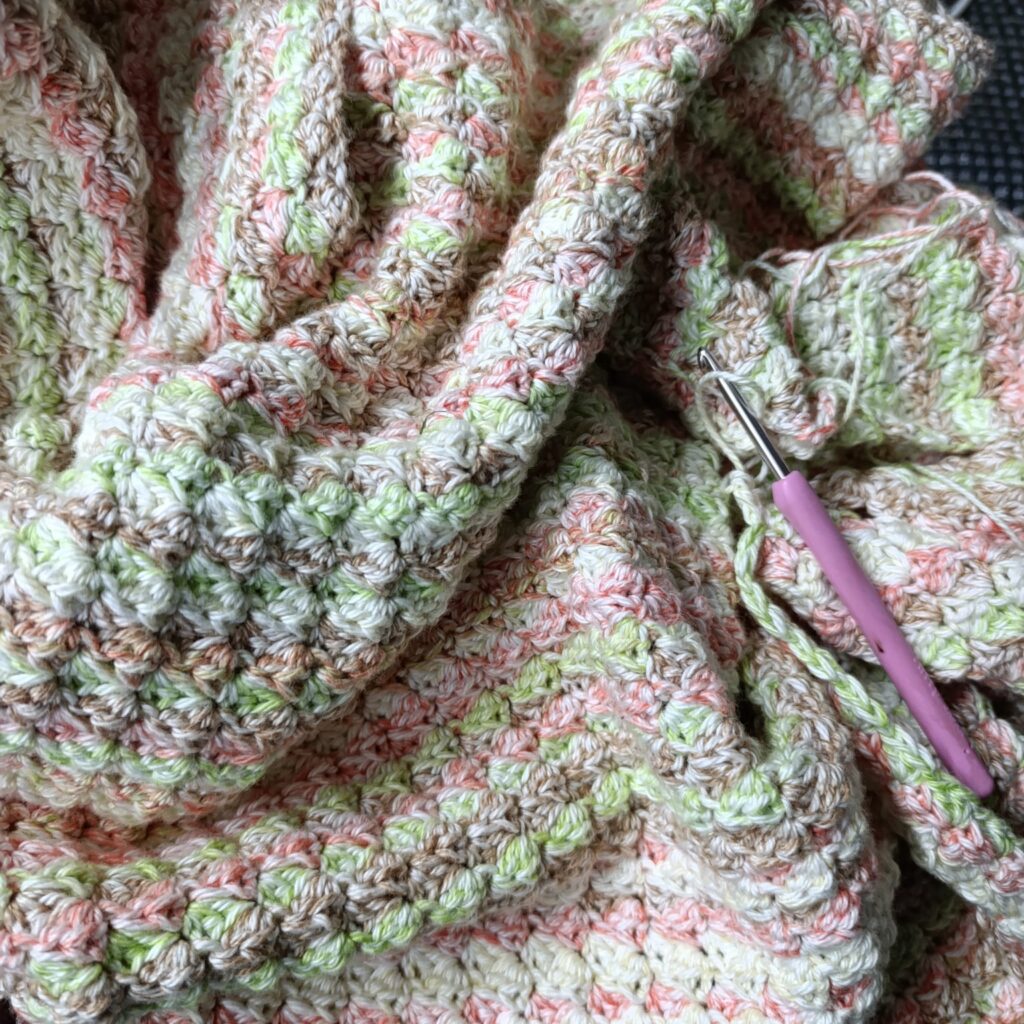
It is also the reason this blanket has no holes. If you have been following this blog for any length of time, you may remember my position on holes in baby blankets. My oldest daughter got her finger stuck in a granny square when she was a baby. By the time I worked out why she was so unhappy, the finger was swollen and slightly blue. She was fine. I, however, have been a dense-stitch-only baby blanket person ever since.
The Sedge Stitch gives me exactly that. Dense, solid, warm, textured, and completely hole-free. Perfect for a baby who is likely to explore every inch of whatever is placed near their hands.
Why Mindless Crochet Matters
There is a reason I keep coming back to this stitch pattern for blankets, and it is not only about the fabric it produces.
When a new grandchild is on the way, the making of the blanket is as much for me as it is for the baby. It is my way of sitting with the anticipation. Of doing something with my hands while my heart is already running ahead to the moment I will finally hold that child.
Mindless crochet is not lesser crochet. It is a different kind of crochet. The kind where the rhythm carries you, where the repetition creates space in your head rather than filling it, where you can be fully present to whatever is happening in your life while your hands do something useful and beautiful at the same time.
The Sedge Stitch is my favourite vehicle for that.
Sedge Blanket
Below is the free pattern for what I am calling the Sedge Stitch Blanket. It is not complicated. It is not supposed to be. It is supposed to be the pattern you reach for every time, without hesitation, for the rest of your crafting life.
Requirements
If you want make a specific size and need to know exactly how much yarn you will need for that, you will need to crochet a swatch and do some calculations. I never do that. I buy 1500g of DK cotton, and start with a chain of about 150 cm. I don’t aim to make a baby blanket; I prefer to make a blanket big enough to be used for years on a single bed. Use whatever yarn weight you want. I prefer a cotton DK for its breathability and washability. Choose the hook according to your yarn weight. I always chain with a 5 mm hook, and crochet with a 4 mm hook. I use a 3.5 mm hook for the border. My blanket will be roughly 140 x 160 cm.
Abbreviations (US terms):
- ch = chain
- sc = single crochet
- hdc = half double crochet
- dc = double crochet
- sk = skip
- st = stitch
- rep = repeat
Pattern
With a bigger hook, chain until you have roughly the width you want. Do not stress about the exact number. You will adjust it in row 1 if needed. Add a few extra as the stitch pattern will pull in slightly.
I chain with a 5 mm until I have about 150 cm.
Row 1:
(sc, hdc, dc) all in the 2nd chain from hook, *sk2, (sc, hdc, dc) in next st, rep from * across until you have 3-5 chains remaining, sk2, sc1, if you have chains remaining, unpick them, turn.
Row 2:
ch1 (does not count as a stitch), (sc1, hdc1, dc1) in the 1st st, *sk2, (sc, hdc, dc) in next st, rep from * to last 3 sts, sk2, sc1, turn.
Repeat row 2 until your blanket is the length you want or until you only have enough yarn left for the border. I usually reserve the last ball for the border. End off and weave in ends.
Border:
I crochet two single crochet rounds for the border. I use a smaller hook to prevent the edge from becoming wavy.
In round 1, on the starting chain side, sc1 in each chain, on each side, sc2 in each eyelet (the sc in which clusters were made), on the top row, sc1 in each stitch, on the corners of the blankets: (sc1, ch2, sc1).
In round 2, sc1 in each stitch on all sides, sc3 in the corner chain spaces created in round 1.
Notes:
The anchor stitch for each repeat is always the sc. When you turn and look at your work, the sc is the stitch you work into. The hdc and dc are skipped. This becomes completely automatic after the first two rows.
There is no wrong side. The fabric looks almost identical on both sides, which makes it particularly forgiving if your blanket gets flipped and tossed around, as blankets tend to be.
The Family Hat Collection is available on Ravelry if you are looking for a hat pattern that covers every size in every yarn weight.


